
Community Health
Community Health:
We identify and address the region's most pressing health needs
The Health Collaborative conducts the Community Health Needs Assessment (CHNA) on behalf of our members and partners to better understand the specific health needs of the communities we serve. We use this data to develop meaningful, measurable solutions designed to address those needs.

Community Health
Through our collective knowledge and experience, we bring awareness to health issues, convene the right people to address them, and activate solutions that lead to change.
The CHNA identified three top priorities:
- Heart Disease and Stroke
- Mental Health
- Housing Stability and Homeless Prevention
We work with our member hospitals and partners to build the action plan designed to solve these challenges.
We call this the Collective Health Agenda.
Heart Disease and Stroke

Lorem ipsum dolor sit amet, consectetur adipiscing elit, sed do eiusmod tempor incididunt ut labore et dolore magna aliqua. Ut enim ad minim veniam, quis nostrud exercitation ullamco laboris nisi ut aliquip ex ea commodo consequat. Duis aute irure dolor in reprehenderit in voluptate velit esse cillum dolore eu fugiat nulla pariatur. Excepteur sint occaecat cupidatat non proident, sunt in culpa qui officia deserunt mollit anim id est laborum.
Lorem ipsum dolor sit amet, consectetur adipiscing elit, sed do eiusmod tempor incididunt ut labore et dolore magna aliqua. Ut enim ad minim veniam, quis nostrud exercitation ullamco laboris nisi ut aliquip ex ea commodo consequat. Duis aute irure dolor in reprehenderit in voluptate velit esse cillum dolore eu fugiat nulla pariatur. Excepteur sint occaecat cupidatat non proident, sunt in culpa qui officia deserunt mollit anim id est laborum.
Sed ut perspiciatis unde omnis iste natus error sit voluptatem accusantium doloremque laudantium, totam rem aperiam, eaque ipsa quae ab illo inventore veritatis et quasi architecto beatae vitae dicta sunt explicabo. Nemo enim ipsam voluptatem quia voluptas sit aspernatur aut odit aut fugit, sed quia consequuntur magni dolores eos qui ratione voluptatem sequi nesciunt. Neque porro quisquam est, qui dolorem ipsum quia dolor sit amet, consectetur, adipisci velit, sed quia non numquam eius modi tempora incidunt ut labore et dolore magnam aliquam quaerat voluptatem.
Ut enim ad minima veniam, quis nostrum exercitationem ullam corporis suscipit laboriosam, nisi ut aliquid ex ea commodi consequatur? Quis autem vel eum iure reprehenderit qui in ea voluptate velit esse quam nihil molestiae consequatur, vel illum qui dolorem eum fugiat quo voluptas nulla pariatur?
1 In 5
Adults do not have a personal doctor or healthcare provider.
Lorem ipsum dolor sit amet, consectetur adipiscing elit, sed do eiusmod tempor incididunt ut labore et dolore magna aliqua. Ut enim ad minim veniam, quis nostrud exercitation ullamco laboris nisi ut aliquip ex ea commodo consequat. Duis aute irure dolor in reprehenderit in voluptate velit esse cillum dolore eu fugiat nulla pariatur. Excepteur sint occaecat cupidatat non proident, sunt in culpa qui officia deserunt mollit anim id est laborum.
Lorem ipsum dolor sit amet, consectetur adipiscing elit, sed do eiusmod tempor incididunt ut labore et dolore magna aliqua. Ut enim ad minim veniam, quis nostrud exercitation ullamco laboris nisi ut aliquip ex ea commodo consequat. Duis aute irure dolor in reprehenderit in voluptate velit esse cillum dolore eu fugiat nulla pariatur. Excepteur sint occaecat cupidatat non proident, sunt in culpa qui officia deserunt mollit anim id est laborum.
50%
of patients have uncontrolled hypertension
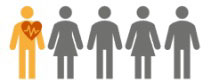
In our region, 1 in 5 people who are admitted to the hospital have a diagnosed heart condition.
Housing Stability and Homeless Prevention

Lorem ipsum dolor sit amet, consectetur adipiscing elit, sed do eiusmod tempor incididunt ut labore et dolore magna aliqua. Ut enim ad minim veniam, quis nostrud exercitation ullamco laboris nisi ut aliquip ex ea commodo consequat. Duis aute irure dolor in reprehenderit in voluptate velit esse cillum dolore eu fugiat nulla pariatur. Excepteur sint occaecat cupidatat non proident, sunt in culpa qui officia deserunt mollit anim id est laborum.
Lorem ipsum dolor sit amet, consectetur adipiscing elit, sed do eiusmod tempor incididunt ut labore et dolore magna aliqua. Ut enim ad minim veniam, quis nostrud exercitation ullamco laboris nisi ut aliquip ex ea commodo consequat. Duis aute irure dolor in reprehenderit in voluptate velit esse cillum dolore eu fugiat nulla pariatur. Excepteur sint occaecat cupidatat non proident, sunt in culpa qui officia deserunt mollit anim id est laborum.
1 In 5
People in our region are underserved by mental health professionals
Lorem ipsum dolor sit amet, consectetur adipiscing elit, sed do eiusmod tempor incididunt ut labore et dolore magna aliqua. Ut enim ad minim veniam, quis nostrud exercitation ullamco laboris nisi ut aliquip ex ea commodo consequat. Duis aute irure dolor in reprehenderit in voluptate velit esse cillum dolore eu fugiat nulla pariatur. Excepteur sint occaecat cupidatat non proident, sunt in culpa qui officia deserunt mollit anim id est laborum.
Lorem ipsum dolor sit amet, consectetur adipiscing elit, sed do eiusmod tempor incididunt ut labore et dolore magna aliqua. Ut enim ad minim veniam, quis nostrud exercitation ullamco laboris nisi ut aliquip ex ea commodo consequat. Duis aute irure dolor in reprehenderit in voluptate velit esse cillum dolore eu fugiat nulla pariatur. Excepteur sint occaecat cupidatat non proident, sunt in culpa qui officia deserunt mollit anim id est laborum.
1 in 3
Emergency department visits included a mental health diagnosis
Lorem ipsum dolor sit amet, consectetur adipiscing elit, sed do eiusmod tempor incididunt ut labore et dolore magna aliqua. Ut enim ad minim veniam, quis nostrud exercitation ullamco laboris nisi ut aliquip ex ea commodo consequat. Duis aute irure dolor in reprehenderit in voluptate velit esse cillum dolore eu fugiat nulla pariatur. Excepteur sint occaecat cupidatat non proident, sunt in culpa qui officia deserunt mollit anim id est laborum.
Lorem ipsum dolor sit amet, consectetur adipiscing elit, sed do eiusmod tempor incididunt ut labore et dolore magna aliqua. Ut enim ad minim veniam, quis nostrud exercitation ullamco laboris nisi ut aliquip ex ea commodo consequat. Duis aute irure dolor in reprehenderit in voluptate velit esse cillum dolore eu fugiat nulla pariatur. Excepteur sint occaecat cupidatat non proident, sunt in culpa qui officia deserunt mollit anim id est laborum.
18,000+
Visits to the hospital for anxiety related diagnoses among 11 to 20 year olds.
Mental Health

Lorem ipsum dolor sit amet, consectetur adipiscing elit, sed do eiusmod tempor incididunt ut labore et dolore magna aliqua. Ut enim ad minim veniam, quis nostrud exercitation ullamco laboris nisi ut aliquip ex ea commodo consequat. Duis aute irure dolor in reprehenderit in voluptate velit esse cillum dolore eu fugiat nulla pariatur. Excepteur sint occaecat cupidatat non proident, sunt in culpa qui officia deserunt mollit anim id est laborum.
Lorem ipsum dolor sit amet, consectetur adipiscing elit, sed do eiusmod tempor incididunt ut labore et dolore magna aliqua. Ut enim ad minim veniam, quis nostrud exercitation ullamco laboris nisi ut aliquip ex ea commodo consequat. Duis aute irure dolor in reprehenderit in voluptate velit esse cillum dolore eu fugiat nulla pariatur. Excepteur sint occaecat cupidatat non proident, sunt in culpa qui officia deserunt mollit anim id est laborum.
1 In 10
Employed people work in healthcare
Lorem ipsum dolor sit amet, consectetur adipiscing elit, sed do eiusmod tempor incididunt ut labore et dolore magna aliqua. Ut enim ad minim veniam, quis nostrud exercitation ullamco laboris nisi ut aliquip ex ea commodo consequat. Duis aute irure dolor in reprehenderit in voluptate velit esse cillum dolore eu fugiat nulla pariatur. Excepteur sint occaecat cupidatat non proident, sunt in culpa qui officia deserunt mollit anim id est laborum.
Lorem ipsum dolor sit amet, consectetur adipiscing elit, sed do eiusmod tempor incididunt ut labore et dolore magna aliqua. Ut enim ad minim veniam, quis nostrud exercitation ullamco laboris nisi ut aliquip ex ea commodo consequat. Duis aute irure dolor in reprehenderit in voluptate velit esse cillum dolore eu fugiat nulla pariatur. Excepteur sint occaecat cupidatat non proident, sunt in culpa qui officia deserunt mollit anim id est laborum.
13,000
Regional healthcare vacancies
In our region, 1 in 5 people who are admitted to the hospital have a diagnosed heart condition.

Collective Health Agenda (CHA)
Talbert House
Talbert House, in partnership with the Hamilton County Mental Health and Recovery Services Board, is working to increase awareness of 988, the 24/7 Suicide & Crisis Lifeline.
A recent 988 grant is helping expand outreach to young adults and employees. One outcome of this funding includes the outreach packets (filled with education materials) that will be distributed to HR departments and community partners across the region.
University of Cincinnati volunteers will help assemble the packets, bringing 988 resources directly to workplaces and communities, making it easier for people to know where to turn when they need support.

Cardio
Collaborative
Lindner Center
Of Hope
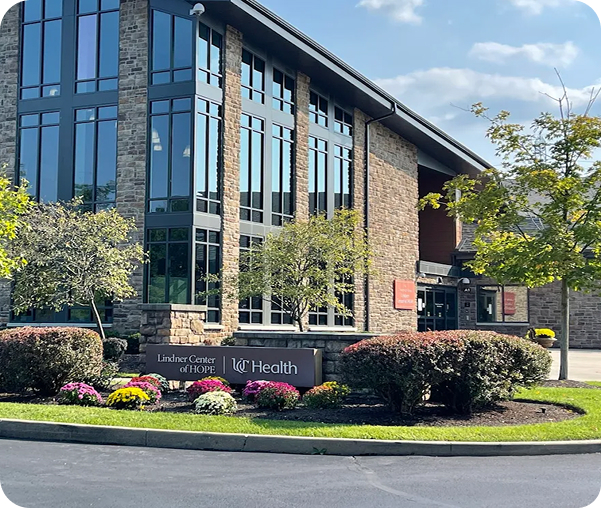
The team at The Lindner Center of Hope (and THC members) are laser focused on mental health treatment and prevention. Their staff is focused on treating patients with the highest level of empathetic, individualized patient care.
As a part of a significant expansion project currently underway, they are doubling the size of their facility, including the addition of a designated education space designed to host educational events and foster a greater understanding of mental health – reducing the stigma and supporting the well-being of the community.

Housing
Stability
This month, we’re proud to spotlight Mercy Health—Cincinnati’s Community Health Team and its commitment to addressing housing insecurity as a critical driver of health. Through the Mercy Health Partnership Program and the Perinatal Outreach Program, dedicated Community Health Workers walk alongside primary care patients and pregnant community members, providing personalized, hands-on support to address social needs that directly affect health and well-being.
In close partnership with Housing Opportunities Made Equal (HOME), families facing housing instability receive tenant advocacy and emergency financial assistance designed to prevent homelessness.
This proactive, dignity-centered approach delivers measurable impact. In 2025, every pregnant client who received housing emergency assistance through this collaboration was stably housed at the time of delivery, and remained stably housed three months postpartum!
Funded by Mercy Health—Cincinnati and supported by Cradle Cincinnati and the Ohio Department of Medicaid, this cross-sector collaboration illustrates what’s possible when health care
and community partners invest together. By addressing root causes, not just symptoms, Mercy Health continues to lead with its mission to strengthen communities, advance equity, and build healthier futures for families across Greater Cincinnati.
Behavioral Health
Data Exchange
Sharing information across systems of care is a universal challenge. It impacts providers, community organizations, and patients leading to ineffective care, gaps in service, and outdated medical charts.
We are working to change that with the Mental and Behavioral Health Data Exchange Project. We are continuing the work of our partners at Cincinnati Children’s who developed the first of its kind Behavioral Health Patient Attribution Strategy which makes it easier for different hospitals and community mental health organizations to see and understand treatments by giving providers useful data to care for shared parents. Our current focus is scaling from pediatric to adult facilities.

Community Partners
Once we identify a need in the community, we connect with organizations who share our common goal to develop and activate programs that advance health equity.
Initiatives include:
- Mama Certified: Developed in partnership with Cradle Cincinnati, The Health Collaborative, Queens Village, and local Black mothers, Mama Certified provides Black parents-to-be with a meaningful way to assess and compare the maternal efforts of Hamilton County hospitals—encouraging increased care and respect for Black families.
- Connecting hospitals with community mental health providers to strengthen transitions of care.
- Connecting medical care with social care to help people with needs like food, housing, and transportation.
- Partnering with Hamilton County Public Health to increase HIV testing for adults.

Get Involved
Have a question about the CHNA? Want to support our work?
Legal Disclosure