Public health emergencies have the power to devastate communities. Outcomes depend on how quickly and effectively we respond. We facilitate collaboration across the region to ensure we’re all as prepared as possible.
Emergency Preparedness and Response funding is critical to this work. The resources support proactive planning, problem-solving, and readiness for a wide range of disaster scenarios.
In The News
Cincinnati area hospitals respond to decertification of Network for Hope. Click on the link below to read THC’s statement.
When local healthcare organizations face urgent challenges, we step in to help.
Preparing our Community for Major Storms
Over 45 regional organizations participated in our Medical Response & Surge Exercise which focused on a fictional widespread tornado outbreak (a priority hazard for our region) that results in multiple mass casualty incidents across the region. The exercise ran through the tornado scenario from start to finish to ensure all organizations could practice each step. Everything from coordination of patient distribution to resource management to timely information sharing were practiced. The exercise allowed individuals at their own facilities to work through all of this in real time.
Sourcing PPE in a Pinch
When an early bout of COVID and flu cases strained PPE supplies at a local facility, we were able to find a way to fill that gap, helping to keep patients and staff safe.
Keeping Patients and Staff Warm
When a local hospice facility lost heat during a recent winter storm, we found a way to fill the gap by coordinating the delivery of emergency heating within 2 hours, keeping residents safe and comfortable.
National Challenges Impacting our Region
When IV fluid production was impacted because of Hurricane Helene, hospitals across our region were affected. We coordinated communications across the region’s healthcare space to stay in front of regional impacts, sharing plans for conservation methods, tracking daily on-hand supply & shipments and communicating with the media to ensure the public stayed informed.
Tabletop exercises are a valuable opportunity for multi-sector stakeholders to convene to practice and refine regional response strategies in a low-stress environment. These immersive sessions provide hands-on experience designed to enhance communication, decision-making, and adaptability during emergency situations.
Promoting information sharing
Effective, efficient communication is critical when responding to an emergency, which is why we have established a network that facilitates the seamless flow of critical information, best practices, and resources across our region. Staying connected enhances our collective readiness while allowing us to proactively address potential threats before they escalate.
Deploying vital resources
We store and maintain a regional cache of supplies and equipment, and collaborate with our partners to quickly distribute those resources when necessary. The COVID-19 pandemic showcased our agility and ability to rapidly allocate essential supplies to frontline responders. The strategic approach we developed during that crisis can now be applied to future situations, further enhancing our region’s response capabilities.
Supporting hospitals
Our role as proactive planners and responsive coordinators also includes coordinating federal grant dollars for hospitals to use in their disaster planning efforts as well as mutual aid agreements between hospitals to facilitate resource sharing during times of crisis. We also represent hospitals during emergencies by holding a seat at both the Hamilton County Emergency Operations Center (EOC) and the Regional EOC to support them in their response efforts.
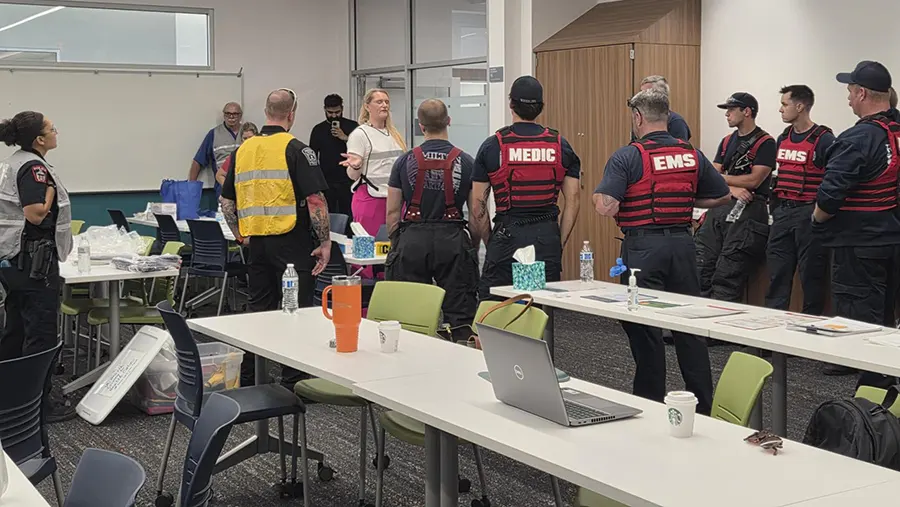
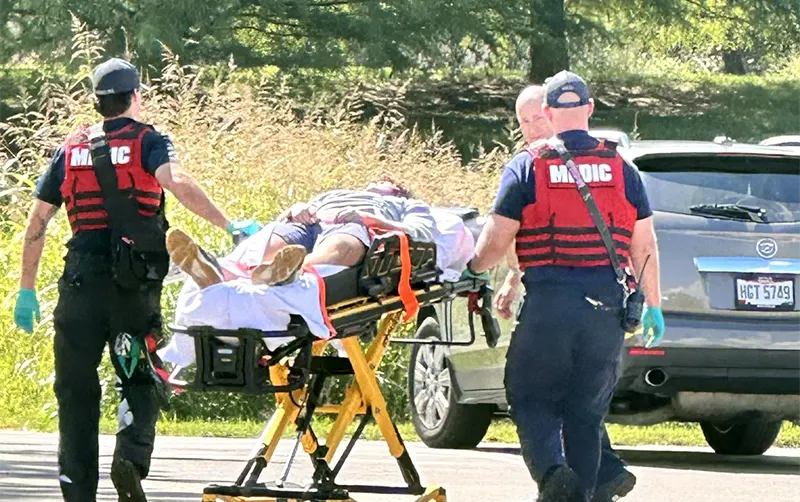
On September 26, in partnership with Miami University Hamilton, we conducted a full-scale disaster drill simulating a mass casualty incident on a university campus.
The large-scale training event, took place at Miami University Hamilton campus an involved approximately 60 participants, including students, faculty, staff, and local community first responders. Together, participants practiced real-world skills such as triage, emergency response coordination, and field operations, offering students a unique opportunity to learn directly from healthcare and emergency management professionals.
“The primary focus of this exercise is education and preparedness,” said Jessica Skelton, Director of Emergency Preparedness and Response at The Health Collaborative and Regional Healthcare Coordinator for the Tri-State Disaster Preparedness Coalition. “It gives students hands-on experience with healthcare response in a disaster setting, while also highlighting career opportunities in emergency services, healthcare, and public safety.”
Following the exercise, representatives from each participating discipline provided an overview of their roles and career paths, helping students better understand potential opportunities in the field.
Improving trauma care
Emergencies and trauma go hand in hand. To ensure our region’s healthcare providers are equipped to deliver the most adequate trauma care, The Health Collaborative works with local trauma centers, emergency rooms and EMS agencies to provide training and share valuable insights and best practices.
We leverage various tools and resources to ensure timely communication and efficient information sharing during emergencies.
Hospital Net Radio
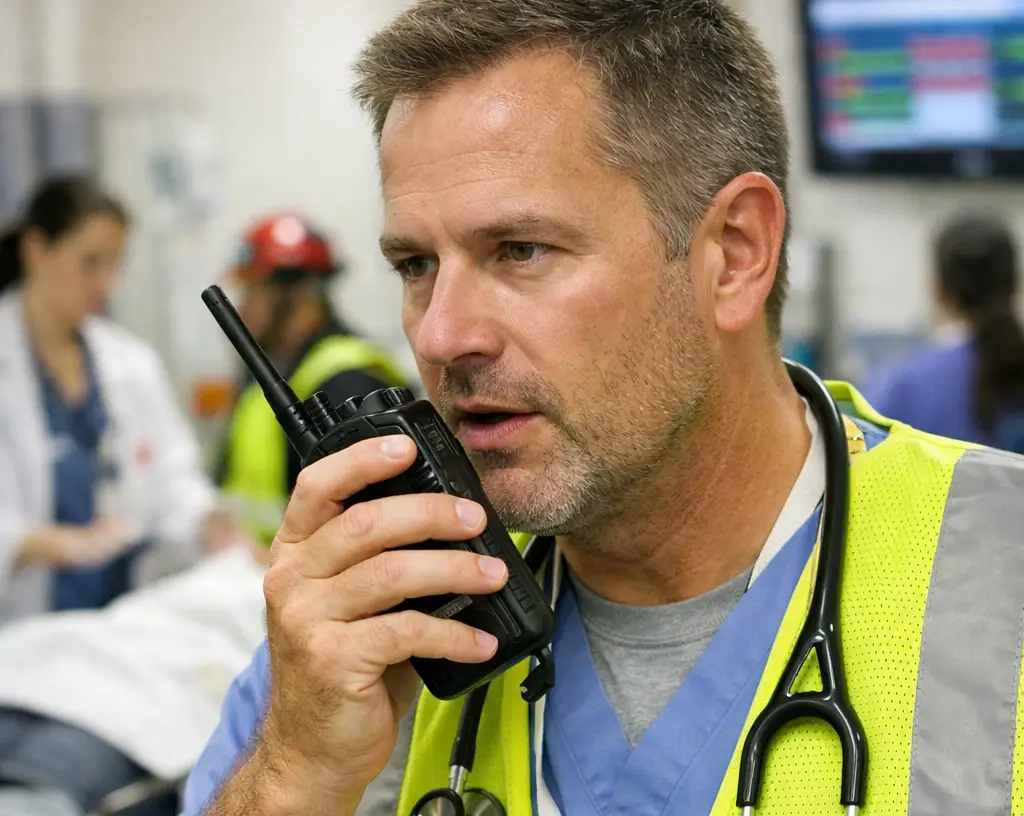
A system that works to provide early notification to regional hospitals of an event that may result in multiple casualties. Used to enhance communication and coordination to and among hospitals with first-responders, ensuring timely identification of appropriate hospital response capabilities.
EMResource
A statewide bed availability platform used to determine short-term hospital, FSED, and long-term hospital bed availability to support regional preparedness and response. EMResource is available to hospitals, FSEDs, long term care facilities, EMS agencies, first responders, public health, dispatch centers, emergency management directors, and other healthcare partners. Data represented in EMResource is not for public consumption.
MARCS
An 800 MHz radio and data network that utilizes state-of-the-art trunked technology to provide statewide interoperability in digital clarity to its subscribers throughout Ohio and a 10-mile radius outside of Ohio. The MARCS system provides statewide, secure, reliable public service wireless communication for public safety and first responders.
EMTrack
A secure statewide patient tracking platform for tracking patients, primarily during Mass Casualty Incidents and facility evacuations, EMTrack is available to EMS agencies, first responders, hospitals, public health, and other emergency management partners. EMTrack is intended for anyone who supports efficient emergency response and improved health care outcomes. The app is available for iPhones and Androids.
Improving trauma care
We can’t predict trauma events, but we can prepare for them. Through partnerships with our region’s highest ranking trauma centers, The Health Collaborative is helping healthcare providers proactively plan for and effectively respond to life-threatening trauma events for better patient outcomes.
We’re advancing trauma care in our region through two key services
Trauma Education
When it comes to stabilizing life-threatening trauma cases, every second counts. We believe that by empowering healthcare providers with the hands-on training and resources they need to support quality care, we can improve patient outcomes and the overall health of our community. That’s why The Health Collaborative partners with regional trauma centers and hospitals to provide comprehensive clinical continuing education for emergency and critical care staff. Our trauma education courses include:
Advanced Trauma Life Support (ATLS®) is the standard of care identified by the American College of Surgeons (ACS) for physicians who intervene with trauma victims at all levels of clinical practice. ATLS® utilizes a systematic, concise methodology for assessment and initial stabilization of the multiple-injured trauma patient. ATLS® courses are presented in conjunction with the ACS Ohio Committee on Trauma and are designed for physicians and advanced practice nurses, though transport staff and respiratory therapy staff often audit these courses.
The Emergency Nurses Association developed ENPC to establish a standardized body of pediatric emergency nursing knowledge and to improve the care of all pediatric patients. The Emergency Nursing Pediatric Course course is designed to provide core-level pediatric knowledge and psychomotor skills needed to care for pediatric patients in the emergency setting. ENPC is taught to emergency nurses in-person with required online learning prior to the course date
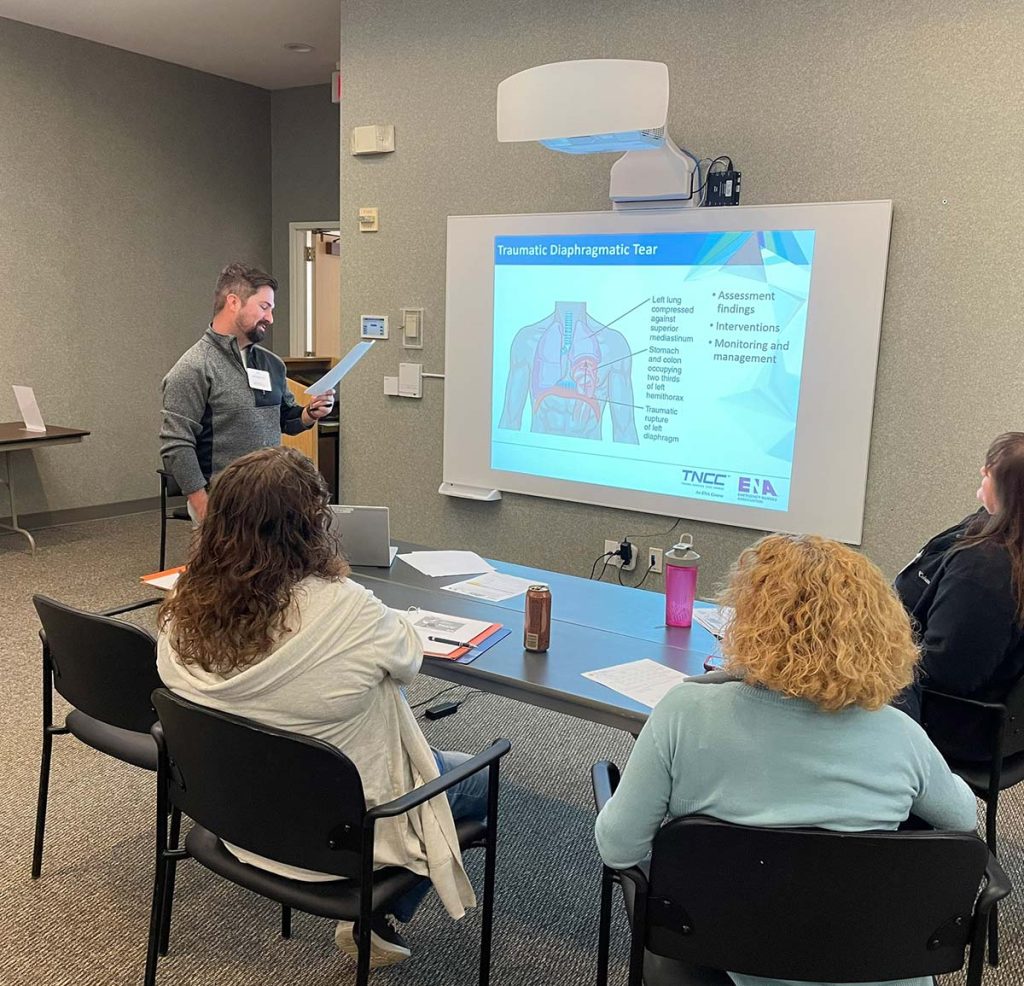
The Emergency Nurses Association developed and implemented the Trauma Nursing Core Course (TNCC) for national and international dissemination as a means of identifying a standardized body of trauma nursing knowledge. The TNCC course is designed to provide the learner with cognitive knowledge and psychomotor skills. The course empowers nurses with the knowledge, critical thinking skills and hands-on training to provide expert care for trauma patients.
In our effort to advance trauma care and improve patient outcomes, The Health Collaborative maintains the Tristate Trauma Registry and convenes the Tristate Trauma Coalition. By collecting and distributing trauma and injury data—including demographic, clinical and outcome data—we help hospitals achieve compliance while analyzing current performance and informing improvement initiatives.
Participating health systems & hospitals include:
Bon Secours Mercy Health
Cincinnati Children's Hospital Medical Center
The Christ Hospital
TriHealth
UC Health
Adams County Regional Medical Center
Clinton Memorial Hospital
Atrium Medical Center (Premier Health)
Kettering Health Hamilton
A regional registry provides several benefits to participating hospitals and the public. When a trauma registry exists at a regional level:
Hospitals can receive their own data for trending purposes
Hospitals can use the regional data to benchmark their effectiveness against other regional hospitals.
Participation allows for quality improvement and quality assurance to improve care delivered to trauma victims in the Tristate
The Tristate Trauma Registry also serves as a repository to hospital trauma registries to facilitate the transfer of trauma data as mandated by law. Confidentiality of patients and hospitals is maintained within the Regional Registry and when exporting required data to the State Registry
We are so glad you are here. In the spirit of making sure our site is as useful as possible, we’d love to hear directly from you. Please take a minute to answer these 3 questions.